

Voting to elect representatives and leaders is one of the most essential parts of democracy. Yet it is not the only way to identify a true democratic system. Sometimes elections are held to decide whether to keep the current governance or change it. According to political historians, this year, 2024, was the biggest election year in history. Nearly half of the total world population cast their votes this year. If we include the local elections, this number goes up even further. Of course, elections are the strictest way of showing their decision to the current system. We can see that all those people worldwide believe in the power of democracy and hope for a change.
This Year’s Elections
Many people expressed their anger and disappointment with the governments and decided to fire them. Not all voters were that lucky. Let’s look at this year’s election results and their impacts on the world.
Taiwan
Taiwan is one of the most important countries, and it has the leading role in chip production and exports to other countries. In recent years, Taiwan’s sovereignty has been a world topic. The claiming of mainland China over Taiwan’s lands has raised tension globally. The United States is one of the countries that backed Taiwan and promised military support if needed. In this critical time, Taiwan called an election to pick a new president and parliament. Former president of the country, Tsai Ing-wen, was ineligible to be elected due to term limits. She was also the first woman to hold this office.
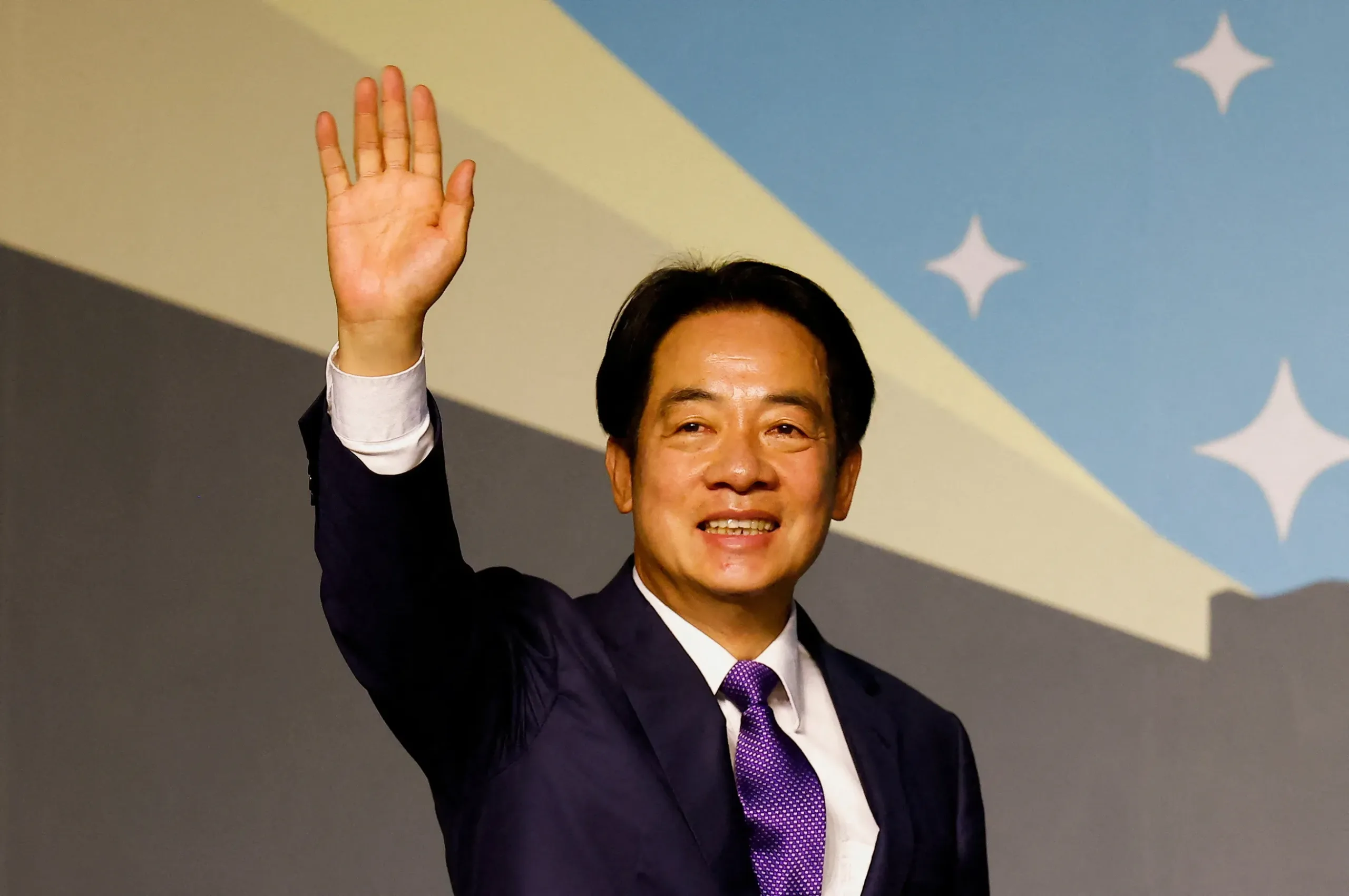
However, her party, the Democratic Progressive Party, managed to win 40 percent of the popular vote, and their candidate, Lai Ching-te, was elected as president. The new president picked Hsiao Bi-Khim, a former US citizen, as his vice president. The risk of potential invasion from mainland China has been increasing lately, and the new administration will try to tighten its ties with the US government as a security measure.
India
Being the most populated nation on earth, India is very important to the world. This year’s election results should also be taken into account because of its labor force and economic potential. The next Parliament will be shaped by the votes of nearly one billion people who registered to vote. In the election, 240 of the 543 seats were won by incumbent Prime Minister Narendra Modi and his party. Compared to their prior performance in the 2014 elections, this was a notable improvement. Nevertheless, he needed to establish a coalition government to gain a majority in Parliament. He was able to serve a third term as president as a result. The outcomes of the Indian election have an effect on international trade in addition to domestic matters.
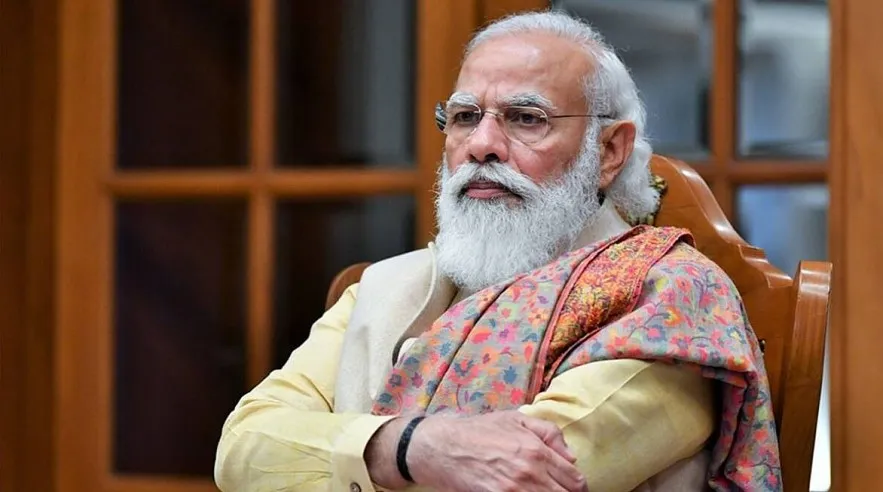
There is hope that Modi’s reelection will lead to more regional economic expansion and advancement. The central government’s growing power has been the main target of criticism during his administration. Some contend that this concentration of power may restrict personal liberties and result in authoritarianism. Additionally, this limited civil rights and sparked debate about executive responsibility.
India is involved in an Indo-Pacific geopolitical rivalry. The incoming administration will now look for methods to strengthen its ties with regional minilaterals. and will concentrate on fortifying ties and collaborations with the global south and west.
(India After the 2024 Elections: Trends and Implications)
European Union
As the biggest monetary union and single market in world history, anything about the European Union is important worldwide. Institutions of the EU might be complicated at first, but it is crucial to understand every institution’s functions and structure.
The European Parliament is one of the key institutions within the EU, representing the citizens of Europe and playing a vital role in decision-making processes. With its 720 seats, EP is representing 450 million people from 27 member countries. Because of this scale, EP has a different kind of legislative structure than regular parliaments. The EP is also able to pass laws that impact a wide range of policy areas, including trade, the environment, and human rights.
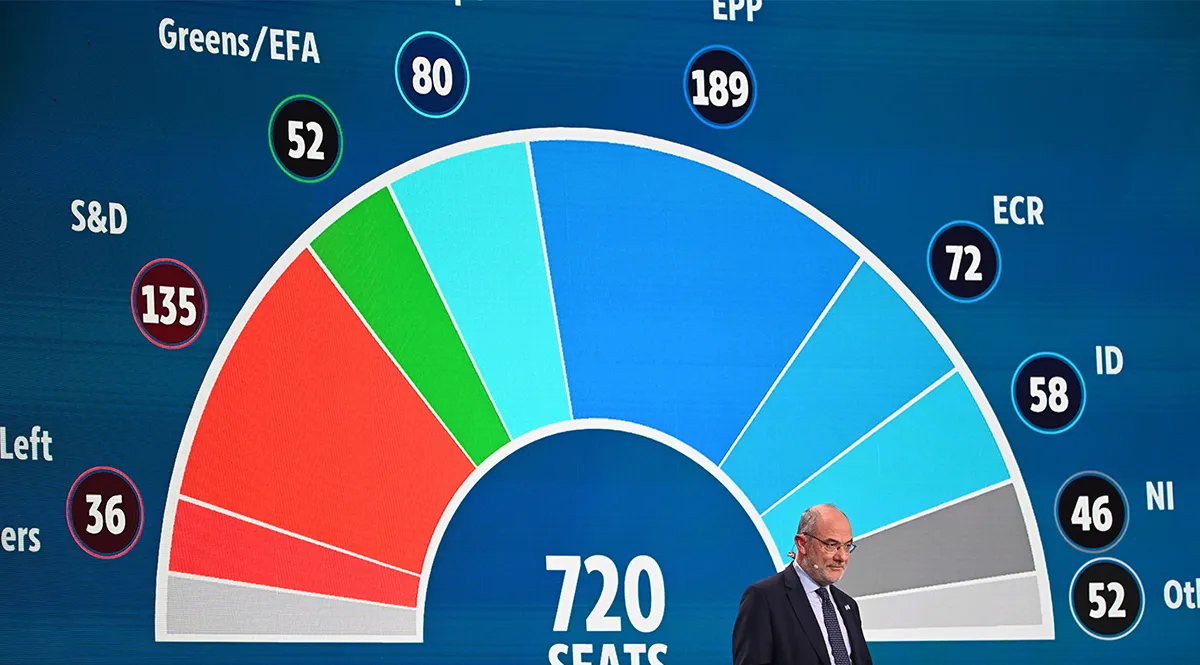
An elected member from any country can join one of the existing groups in the parliament. Such as EPP, S&D, or Renew Europe. With this year’s election, the incumbent president of the European Commission, Ursula von Der Leyen, and her group have won 188 seats. And she was elected as president of the commission for another term. Results were bad for the centrist, liberal, and social democrat parties. The right-wing parties received more votes than in the last election and powered their position. The results were seen as a significant shift in the balance of power in the European Parliament.
United Kingdom
One of the most important general elections this year was, of course, in the United Kingdom. The country itself is a constitutional monarchy, but the government forms up from the lower house of the bicameral parliament. A party in the UK must get 326 seats out of 650 seats for the majority and set up a government too. And that party has usually been one of the biggest parties in the country, Labour and Conservative. In the last election, the Labour Party emerged victorious, securing 411 seats in Parliament. This allowed them to form a government and set an agenda for the country’s future. The results were seen as a significant transition of power.
Conservatives, usually referred to as Tories, have been in charge since 2010. In that time period, they had five prime ministers and two countrywide referenda. The most recent referendum, Brexit in 2016, resulted in the decision to leave the European Union. Some statistics show that in 14 years, owning a home became harder, public satisfaction decreased for the National Health Service, and net migration has increased even after Brexit. A lot of people thought Tory prime ministers couldn’t manage the pandemic effectively, too. In recent years, they had some administrative crises within the party. Many were questioning the future of the Conservative Party. This year people shifted their choice to the Labour Party after 14 years of Tory rule. (Duncan et al.)
Future of Politics
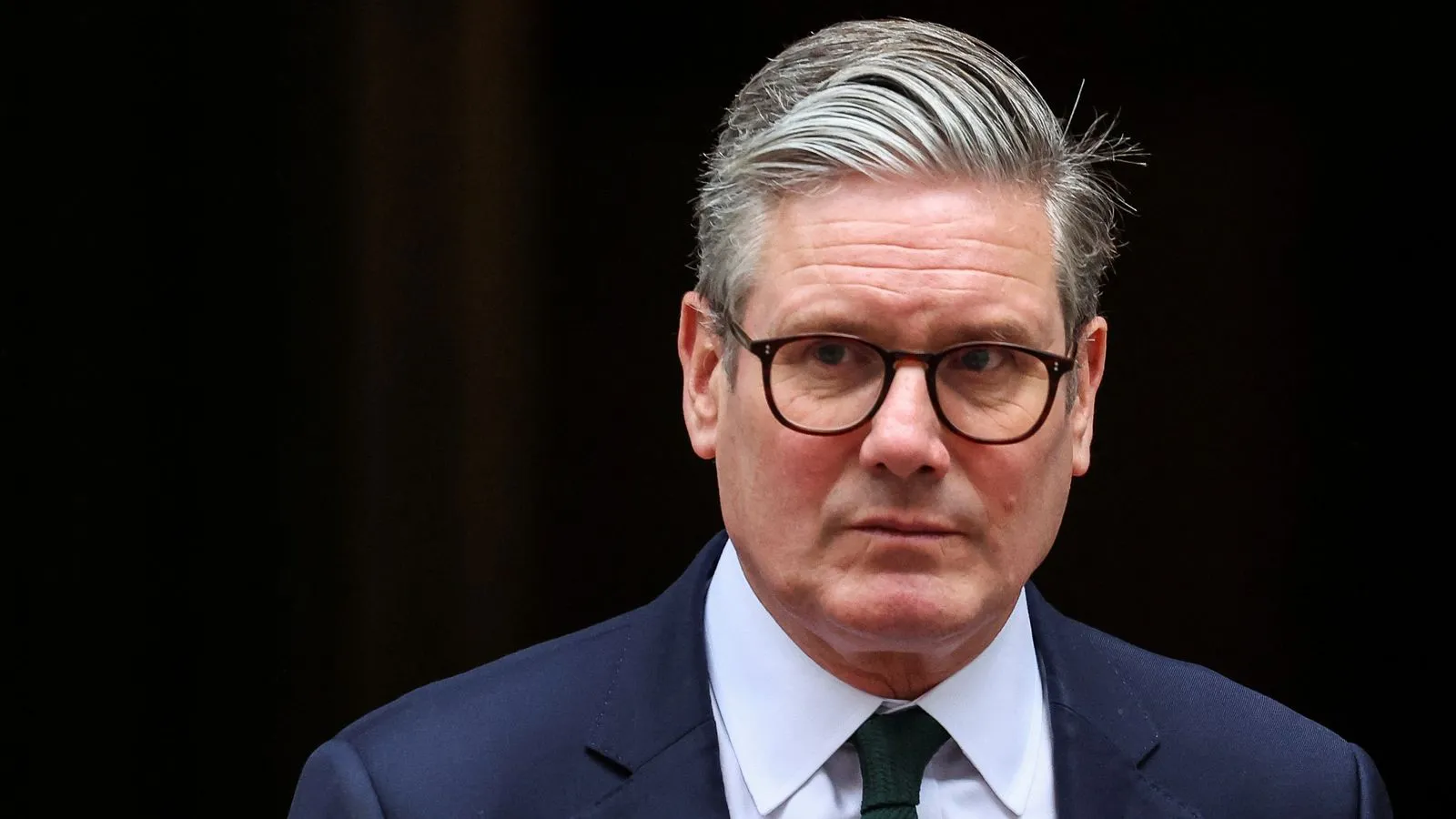
However, the new government, shaped under the leadership of Keir Starmer, is not doing well in opinion polls. There is a decline in approval rates of the new Labour administration. (Travers et al.) And they have a lot on their plate, from working towards a net-zero carbon emissions target to fixing the National Health Service… But they will have plenty of time to pass regulations before the next election. After 14 years of being in opposition, now it’s Labour’s time to show how they will act on critical issues and whether they will succeed.
United States
Without a doubt, the most exciting election was in the US this year, between the ex-president Donald Trump and Kamala Harris. Incumbent president Joe Biden bid for his second term in 2022 but decided to withdraw from the race after a disastrous debate performance this year. Questions started to arise about his health and age just after his victory in 2020. And his own party was pressuring him to leave the race; after initially declining, he dropped out off the race. That made him the first eligible incumbent president to withdraw since Lyndon B. Johnson in 1968.
His opponent, Donald Trump, became the first US president to be convicted of a crime after being found guilty of several offenses. He was also impeached twice in the first term of his presidency. He remains under multiple indictments for his attempts to overturn the results of the 2020 election. President Trump also survived two shocking assassination attempts in the four months before the election. The first was at a rally in Pennsylvania, and the second was in West Palm Beach, Florida.
Campaigns
Kamala Harris, the current vice president, is the first woman to hold the office. And she is the first woman of color to lead a major party ticket. Despite running a historic four-month campaign, she lost the election to former President Trump. However, she raised over 1 billion dollars—the record amount of money in donations in a country’s history. Abortion, civil rights, and the environment were the domestic issues that she focused on during her campaign. (Npr.org)

The economy was the top issue for voters after the highest inflation rate in years and subsequent interest rate hikes. However, the economy has performed well under the Biden-Harris administration over the past 4 years. The economy added 14.8 million jobs in his first three years in office, more than any other president in US history over the same period. What’s more, unemployment has remained below 4% for the longest period since the 1960s. (Jarvis et al.) We will see together what the second Trump term will be like. He has promised the largest deportation of immigrants in American history after elections. Sweeping new tariffs on imports, a freeze on climate-related regulations, an overhaul of federal health agencies, and ideological changes to the education system. Now he has an opportunity.

